
Play by samonster
From flimsy prototype to international physical product.
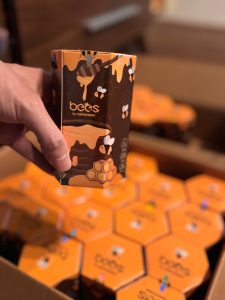
I built Play from the ground up: concept, mechanics, brand identity, packaging, manufacturing, website, and international distribution… proving I can take an idea from cardboard prototype to café tables across three countries. ❤️
product design • Brand experience • Physical manufacturing • visuals • Packaging • Supply Chain • International Distribution • Direct-to-Consumer • Community Building
Context
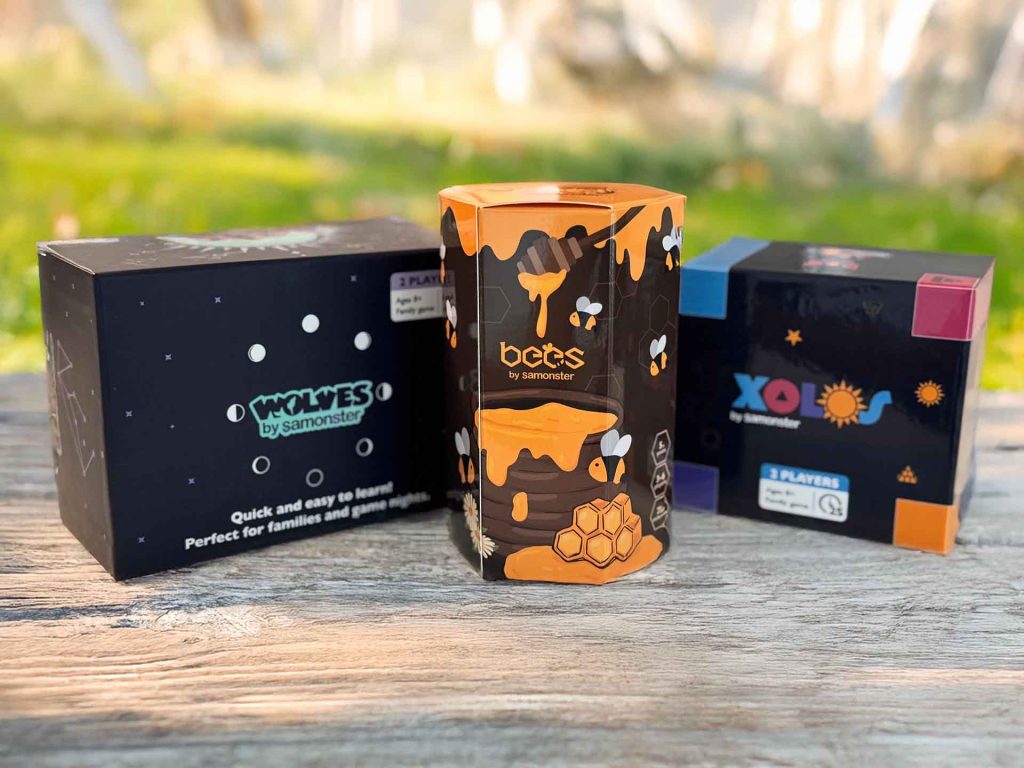
Play by Samonster started as a cardboard prototype made during a roadtrip in New Zealand.
No team.
No funding.
No roadmap.
nothing fancy.
Just a simple idea: design something that pulls people away from their phones and back into shared physical moments. What began as one handmade game grew into a small collection: Bees, Wolves, Xolos and Wolverines (Shit Happens Michigan version). Each built around interaction, personality, and easy accessibility.
Today, Play games are sold and played in cafés across New Zealand, the USA, and France. Three places where I’ve lived.
The audience:
✅ Road trip travelers
✅ Café-goers
✅ Friends hanging out during game-nights
✅ People tired of being on their phones (I can relate)
✅ Casual gamers (not hardcore strategy gamers)
✅ family-nights

the challenge
Launching an independent physical product meant navigating:
□ Game mechanics and replayability
□ Brand system consistency across multiple titles
□ Packaging design and print production
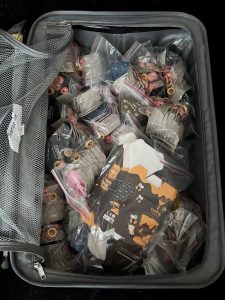
□ Manufacturing coordination (overseas suppliers in Taiwan)
□ Logistics and international shipping
□ Cost control and margin balance
□ Direct-to-consumer marketing without ad budgets
it is not making something fun
It is about building a real product system
Constraints
💰 Self-funded
📦 Limited production runs
🌏 Overseas manufacturing (Taiwan-based supplier)
📣 No paid growth engine
🚚 International shipping logistics
⏱️ Iterative prototyping cycles
This required discipline across design, operations, and communication, including supplier negotiation in mandarin!
What I Owned
I owned the project end-to-end across product, brand, and execution.
Scope included:
– Game mechanics and prototype iteration
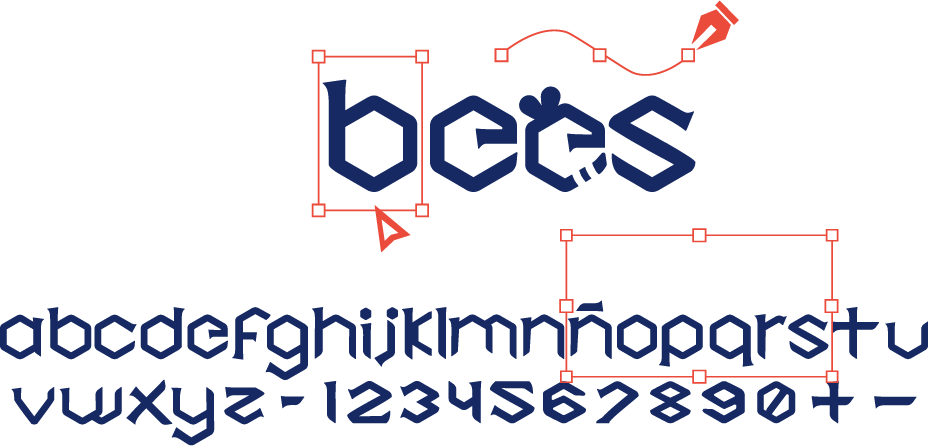
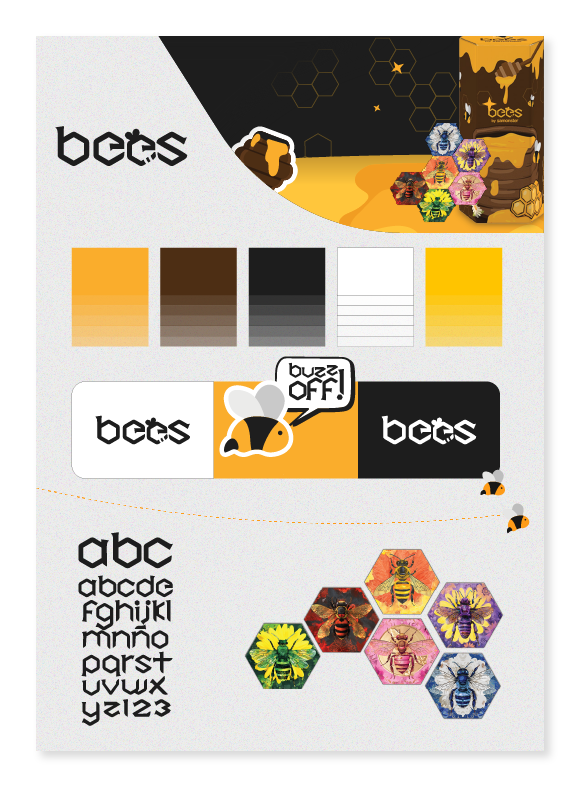
Visual identity system (logo, typography, color, illustration)
– Packaging design and print-ready production files
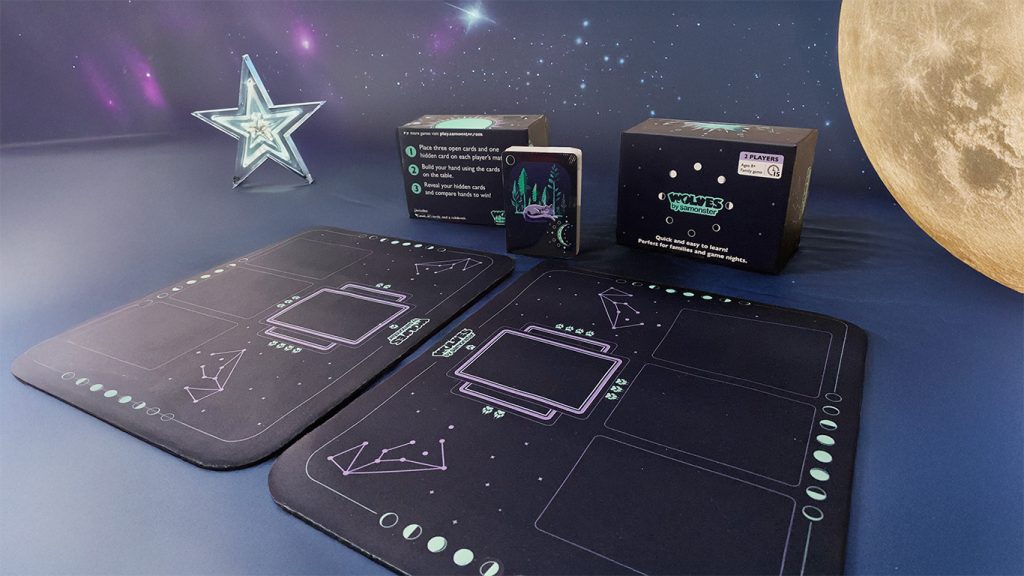
– Rulebook design and layout
– Icon systems and gameplay visual language
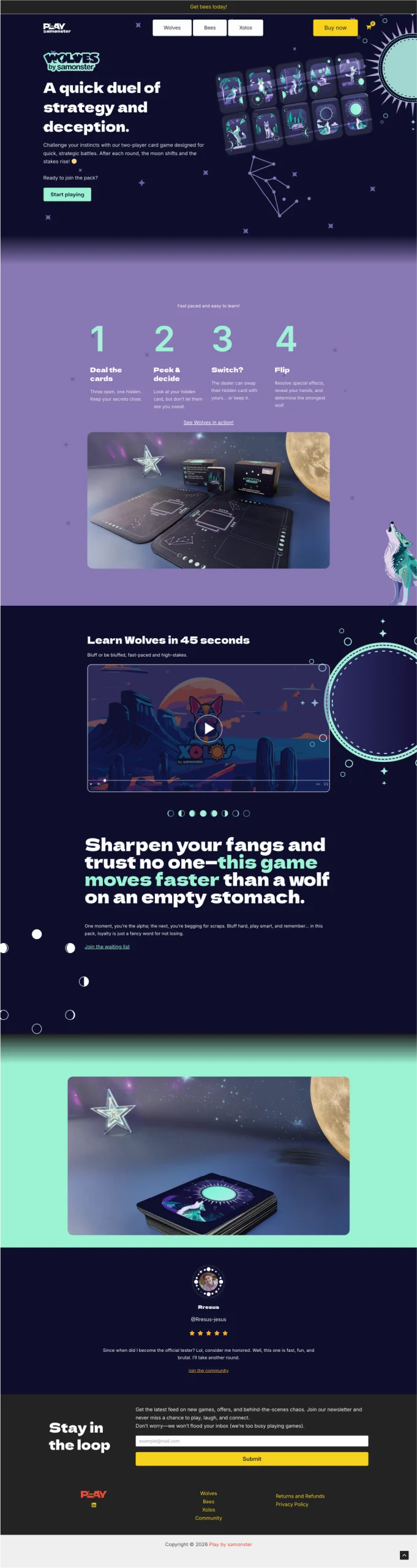
– Website design and product storytelling
– Manufacturing coordination and print specifications
– Game tutorials in print and video format
Everything visual and not visual… from cardboard prototype to final boxed product. It was designed and executed by me.

the work
🧠 Concept & mechanics
– Designed original gameplay mechanics
– Balanced simplicity with replayability
– Iterated prototypes through real-world testing
🎨 Brand & identity
– Built the play by Samonster identity system
– Developed typography, color, and illustration language
– Ensured consistency across multiple game titles
📦 Packaging & production
– Designed packaging for print durability and shelf presence
Prepared production-ready files
– Coordinated directly with Taiwanese manufacturer
– Oversaw print quality and revisions
🌐 Website & direct sales
– Designed and built the brand website
– Structured product storytelling and collection narrative
– Managed product listings and distribution
🖌️ Logistics & Distribution
– Coordinated international shipping
– Managed supplier relationships
– Handled inventory and fulfillment across countries


The outcome
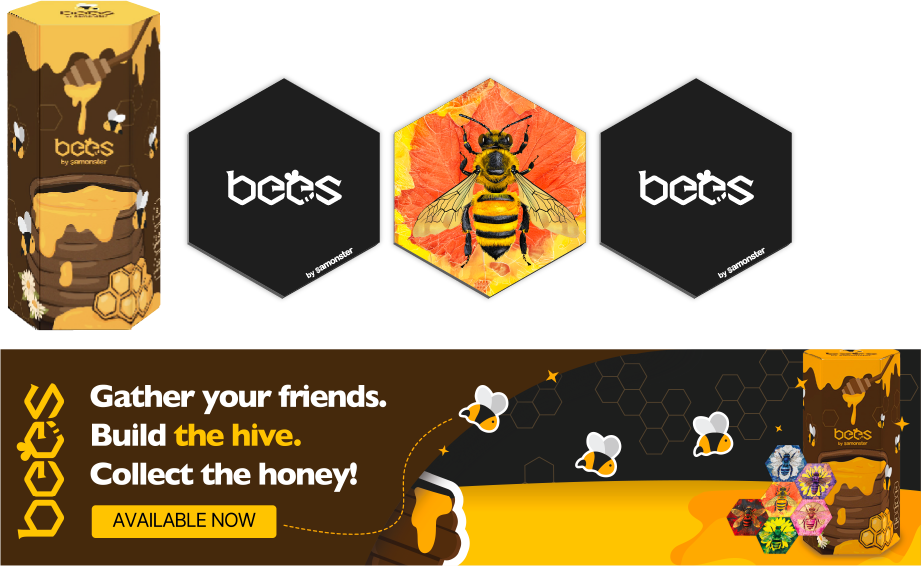
What began as a cardboard prototype became a fully manufactured and distributed product line:
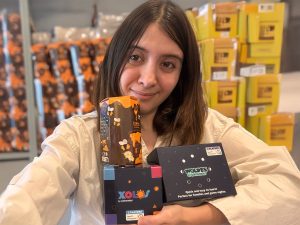
🇹🇼 Produced and printed with overseas manufacturer (Taiwan)
☕️ Sold and played in cafés across New Zealand, USA, and france
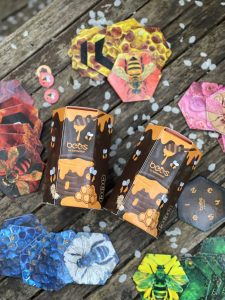
🎴 Expanded from a single game into a multi-title collection
📊 Built organically without paid acquisition
👩🏻🎨 Established a cohesive brand system across physical and digital touchpoints
learnings
📦 Physical products require firm decisions
Manufacturing timelines, print tolerances, and logistics leave no room for vague decisions.
🎲 simplicty scales
Games that are intuitive travel further than complex mechanics.
🎨 Brand consistency builds trust
Typography, packaging, and tone across multiple titles built recognition even at small scale.



What I’d Do Next
Optimize batch production to improve margins
□ Compare cost per unit at 500 / 1,000 / 2,000 units
□ Factor shipping, storage, and packaging weight
□ Reduce material weight
Goal: Increase gross margin per unit while maintaining quality, enabling sustainable scaling without external funding.
Formalize play testing cycles with structured feedback loops
□ Create standardized playtest forms
□ Run controlled testing environments
□ Document iteration cycles
Goal: Systematize improvement so gameplay evolves intentionally, increasing retention and word-of-mouth growth.
Expand retail partnerships beyond café placements
□ Define ideal retail profile
□ Create a wholesale deck + margin sheet
□ Pilot small regional expansion
Goal: Diversify distribution channels to reduce dependency on direct sales and increase geographic footprint.
Introduce limited editions to increase repeat purchase behavior
□ Design seasonal or themed expansions
□ Create scarcity intentionally
□ Track repeat customer data
Goal: Increase customer lifetime value (LTV) and encourage brand loyalty beyond single purchase behavior.



This project taught me that building something tangible forces clarity from the get go. When you’re responsible for the mechanics, the packaging, the supplier, and the shipment, decisions before execution become sharper to avoid wasted time.
That level of ownership is what motivates me, and I’m still expanding on this line. Next one up: Wolverines – shit happens (Michigan version)!